 NOVA
NOVA Premier League's Goal Drought: Underwhelming Finishing and Draws Dominate
9 October 2026
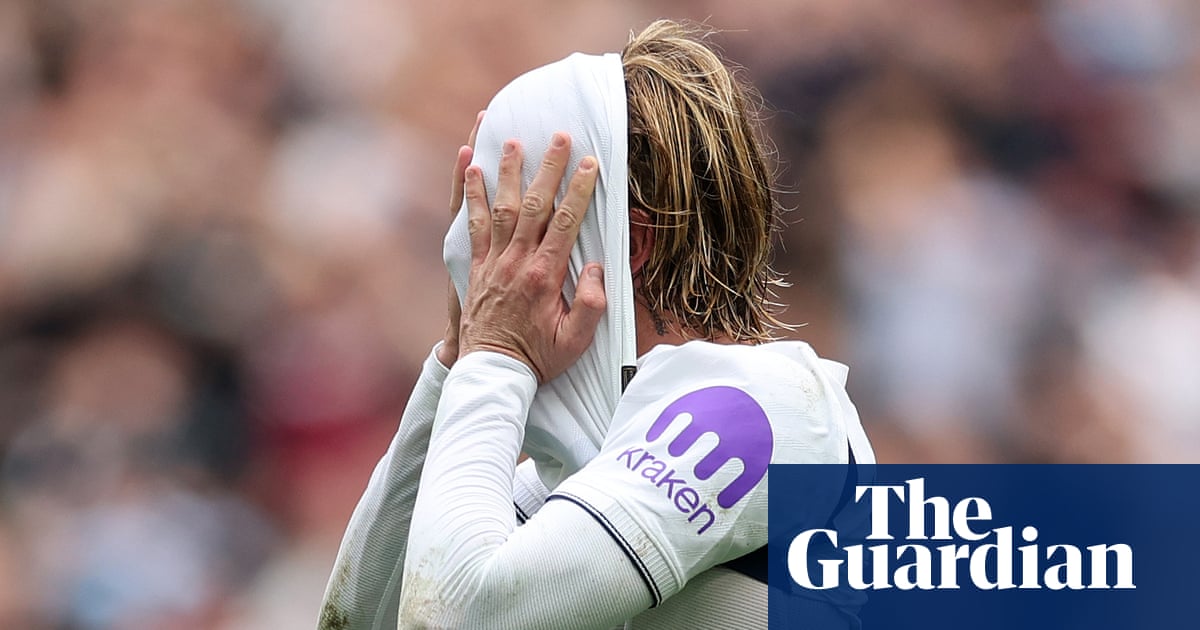
The Premier League has seen a rise in goal-scoring this season, with an average of 2.70 non-penalty goals per match—up from last year and surpassing two of the last four campaigns. But here’s the catch: we could have witnessed even more thrilling encounters. The average expected goals per match sits at 2.88, the second highest in six seasons, yet teams are squandering chances.
If teams were converting at an average rate, we’d be looking at nearly two extra goals each week. While that sounds minimal, it’s notable that the number of drawn matches is at an all-time high for the Premier League. A few more clinical finishes could have turned some of those stalemates into thrilling victories.
This is a league-wide phenomenon, with 14 clubs scoring below their expected goals, a significant jump from last season’s 10. Eight teams are close to hitting their expected figures and could turn things around imminently, but the majority—12 in total—are lagging behind, with eight of them firmly among the underachievers.
The trend isn’t just apparent over the season; week-by-week performances are also dipping. In the opening five match weeks, there were 24 instances where teams scored at least one goal less than their expected goals—twice the number compared to the first 50 games last year.
So, what’s going on? The quality of chances isn’t the issue, as the expected goals per non-penalty shot remains relatively stable. Touches in the penalty area have barely changed either, with teams averaging 24.8 touches inside the box per game, just a slight drop from last season.
However, when we look closer, the statistics reveal a stark reality. Four of the top five teams from last season are seeing a decline in box touches, with Aston Villa and Liverpool losing about a third of their previous averages.
Manchester United is the only exception from that elite group, but their situation is complicated. They’ve faced only one top-10 team so far, and five of their eight goals came against Ipswich from the Championship. They lead the league in non-penalty shots but sit near the bottom for expected goal value.
United’s reliance on Bryan Mbeumo, their top non-penalty xG player, underscores the problem—he’s among 10 players who have scored at least one goal less than expected. With a history of underperformance, this isn’t new, but their dependency on him raises concerns, and it’s a trend not limited to just United.
Most clubs are seeing their top players take a larger share of the xG pie compared to last season, which could be a double-edged sword. While it’s not a reason to panic just yet, it does indicate that with more equal distribution of chances, these numbers will likely normalize.
The most involved players might explain the dip in goals. Collectively, the top players across all clubs have scored 6.8 non-penalty goals fewer than anticipated, accounting for nearly 40% of the league’s overall shortfall from just 20 individuals.
Thierno Barry has taken on a significant role at Everton, responsible for 49.4% of the club’s non-penalty expected goals—up from 17.7% last year. He’s certainly stepped up, but he’s also a young player still finding his feet, with two goals from chances worth 3.5 xG.
Alexander Isak has also seen increased responsibility, although injuries limited his appearances last season. His potential at Liverpool looks promising, but he’s still adjusting to his new environment under a fresh coaching staff.
At Newcastle, Isak’s predecessor, Yoanne Wissa, and Bournemouth's Marcus Tavernier both underperformed against their xG last season. They might not be the best players for their teams to rely on. Meanwhile, at Tottenham, defender Jan Paul van Hecke leads the team in non-penalty expected goals, which is far from ideal.
Other clubs are in similar predicaments, with young talents like Gonzalo García at Fulham and Emersonn at Ipswich, both just 22 and new to English football, leading their teams in xG. With Erling Haaland still a consistent force at Manchester City, the overall situation for him could still affect his output.
The heavy reliance on players who might underperform could be a temporary quirk in the statistics, but until things change, it’s unlikely the Premier League will see its goal rates align with expected figures.